Skip to content
 Play Music, Express Yourself, Be Happy! 

SAX TEACHER UK

Saxophone for Beginners: The Complete Guide to Getting Started

By SaxTeacher UK 12 min read
SaxTeacher UK — author photo

So, you want to learn how to play the saxophone — now what? This guide to saxophone for beginners answers everything you need to know to get started. Whether you're an adult picking up an instrument for the first time or a parent researching the best saxophone for beginners on behalf of your child, knowing where to begin can feel overwhelming. That's why I've put together this complete beginner saxophone resource, covering which instrument to choose, whether an alto sax for beginners or a tenor sax for beginners is the right fit, how to find a good starter saxophone, and all the tips I recommend from my own teaching experience. Below you'll also find answers to the questions that come up time and again from saxophone beginners.

Rent A Sax

Looking to hire a saxophone? Want to try before you buy? Scroll down to find recommended companies that provide instrument hire services across the UK.

Beginner Sax Books

Having a visual reference from sheet music really helps beginners to orientate themselves on the instrument. Find recommended books for both child and adult beginners below.

Saxophones for beginners — a selection of alto and tenor saxophones for new players
Newsletter

Get Free Sheet Music & Tips

Tips, tutorials & new posts delivered to your inbox. No spam, unsubscribe any time.

We are committed to protecting your privacy. We will never collect information about you.

Which is the Best Saxophone for Beginners?

Alto Sax vs Tenor Sax for Beginners

A quick look around the internet will tell you there are four types of saxophone — Soprano, Alto, Tenor, and Baritone. They all have different ranges from high (Soprano) to low (Baritone), much like singers. For beginners, the answer to which saxophone to play is a simple one.

Start with the Alto Saxophone.

The biggest consideration when learning to play is posture. Given that the alto is the second smallest after the soprano, it is also the second lightest, making it a very suitable choice. Although the soprano is lighter, the playing posture is more complex to adopt correctly — so the alto is the obvious recommendation. I would not advise starting with tenor or baritone: their larger weight and size make it harder to develop correct technique from the beginning.
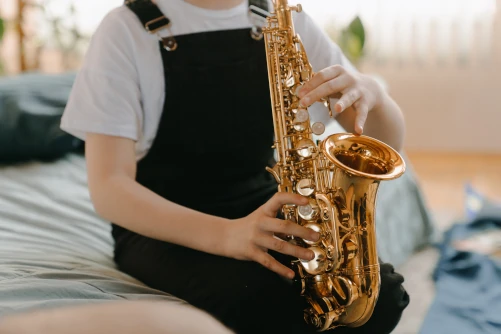
Why the Alto Sax for Beginners Is the Best Choice

The beginner alto saxophone is the instrument you will encounter in almost every school music programme in the UK. There is a good reason for this: the alto sax for beginners offers the best balance of weight, ergonomics, and affordability. Because the alto is so popular with students, there is an enormous range of saxophones for beginners at every price point, from budget entry-level models to professional-grade instruments. This also means there is no shortage of beginner saxophone books, tutorials, and learning resources written specifically for the alto.

What About Tenor Sax for Beginners?

Tenor sax for beginners is a question I hear regularly, especially from adults drawn to the rich, warm tone heard in jazz and rock. While the tenor is a fantastic instrument, it is heavier and larger than the alto, which can make it physically tiring for new players — particularly children. My recommendation is always to build your fundamentals on an alto first and move to tenor once you are comfortable. That said, if you are a taller adult with a strong preference for the tenor sound, starting on tenor is not impossible — just be aware that posture and breath support require extra attention from day one.

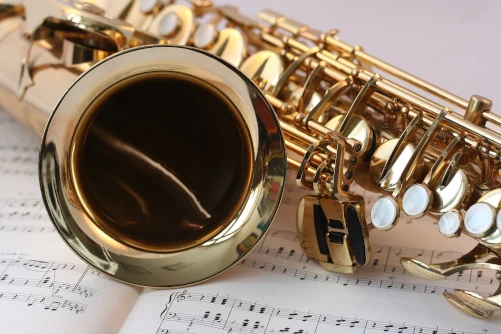
Best saxophone for beginners — gold alto saxophone resting on music book

How Much Does a Saxophone Weigh?

Weight by Model Type — What Saxophone Beginners Need to Know

The saxophone is a reasonably heavy instrument, and weight is an important factor when choosing the best sax for beginners. Each model varies, but an average weight for a beginner alto sax is around 5.9 kg to 6.1 kg (13–13.5 lbs). Although this sounds substantial, it is perfectly manageable when played with good, well-informed technique and a supportive neck strap or harness.

A Tenor Saxophone weighs considerably more — typically around 6.5 kg to 7 kg (14.5–15.5 lbs) — which is one of the key reasons it is not recommended as a first saxophone for beginners. For younger students or smaller adults, the lighter beginner alto saxophone will always be the more comfortable starting point. If weight is a particular concern, look for a good beginner saxophone with ergonomic keywork designed for smaller hands, such as the Yamaha YAS-280.

Should I Rent or Buy a Beginner Saxophone?

A Common Question with a Simple Answer

I'd always recommend renting a saxophone first. It allows the saxophone beginner to confirm the instrument is right for them before committing to an expensive purchase. Renting is especially sensible for children, as they may want to try several instruments before settling. If you're ready to buy, I have the perfect recommendation for the best beginner sax below.

Renting a Saxophone

Here in London there is a wealth of shops and companies to choose from with very competitive rates. Wherever you are based, you will be able to find somewhere to rent from. I recommend starting the process sooner rather than later, as ID checks and admin can take some time. Most rental companies offer beginner alto saxophones — the ideal starting instrument — and rental agreements typically include servicing and insurance.

Rent from John Packer Hire from Howarth's of London

Buying a Saxophone — Finding the Best Sax for Beginners

If you're keen to get your hands on an entry-level saxophone to call your own, there are many options claiming to be the best saxophone for beginners. Buying is an investment, and quality really does make a difference to your ability to learn. I recommend the Yamaha YAS-280 — it is, in my experience, the best beginner sax on the market. There are many cheaper instruments out there, but they aren't worth buying — and very quickly, perhaps within a year, you would need to scale up to an instrument of this standard anyway. Cheaper instruments do not stand up to wear and tear, and many repairers will not want to service them. The YAS-280 is a good starter saxophone that will last a lifetime if treated well and is good enough to take you all the way to Grade 8.

When shopping for saxophones for beginners, look out for these essentials: the instrument should come with a mouthpiece, neck strap, cleaning cloth, and a sturdy case. Avoid unbranded instruments sold at suspiciously low prices online — these often have poor intonation and unreliable keywork, which will hold back a beginner saxophone player and create frustration rather than progress.

Buy a Yamaha YAS-280 from Sax.co.uk

Good starter saxophone — beginner choosing an entry-level alto sax

Best Saxophone Books for Beginners

Essential Reading for New Saxophone Players

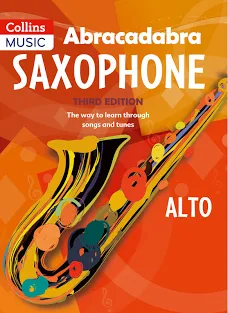
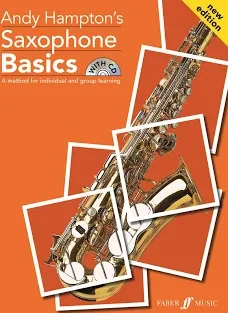
Having a good beginner saxophone book is one of the most effective ways to structure your learning. There are two books I regularly use with beginner students: Abracadabra Saxophone by John Rutland and Saxophone Basics by Andy Hampton. Both are written with the beginner alto saxophone in mind, and while they are aimed at children, either is equally suitable for adults. Children and adult beginners share a similar pace of learning — adults progress faster in some areas but slower in others, so the material works well for both.

Both books introduce notes gradually, building from simple melodies to more complex pieces. For a saxophone beginner, this incremental approach is invaluable — it ensures you develop proper fingering habits and reading skills alongside your embouchure. If you'd prefer a recommendation for a book specifically aimed at adults, or if you're looking for a good beginner saxophone method for the tenor sax, please get in touch.

Abracadabra Saxophone — best saxophone book for beginners Abracadabra Saxophone Buy from Musicroom Saxophone Basics by Andy Hampton — entry-level saxophone book Saxophone Basics Buy from Musicroom

How Often Should a Beginner Saxophone Player Practise?

Building a Sustainable Practise Routine

There is no hard and fast rule for how often or how long you should practise the saxophone. Everyone has their own learning style and lifestyle. What research consistently shows, however, is that it is not the duration of each session that matters most, but the frequency of revisiting material.

The more times you can return to the same techniques in a week, the better they will stick. I recommend four short sessions per week of around 5–10 minutes each — just enough to revisit and reinforce new techniques. This is particularly important at the beginning, when students are learning movements and embouchure habits they have never used before. Many saxophone beginners make the mistake of doing one long session per week instead of several shorter ones — little and often is the key to steady progress on a beginner saxophone.

If you're a parent wondering how to help your child practise more effectively, visit the SaxTeacher UK Tutorial Hub for further tutorials on maximising your child's saxophone practise.

How do I Assemble my Beginner Alto Saxophone?

Getting Set Up Correctly From Day One

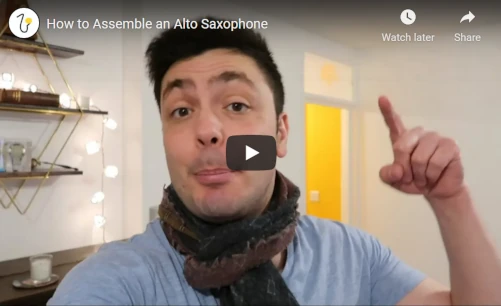
When you're starting out as a saxophone beginner, you need the confidence to know you're getting the instrument set up correctly. Assembling an alto sax for beginners is straightforward once you know the steps, but it is important to be gentle — saxophone keywork is delicate and can be bent easily. Our short tutorial video walks you through every step — from attaching the neck to fitting the reed — so you can get playing straight away:

How to assemble an alto saxophone — step by step video guide
Watch on YouTube

How Loud Is A Saxophone?

Practising at Home — What Every Saxophone Beginner Should Know

Perhaps you've wanted to take up the saxophone for a while but you're worried it might be too loud to practise at home, especially if you live in a flat. On balance, the saxophone is quite a loud instrument — it was designed to have the power and projection of a trumpet combined with the facility of a woodwind instrument. While it isn't quite as loud as a brass instrument, its maximum volume isn't far off, and unlike a guitar or electric keyboard it cannot easily be turned down.

However, this doesn't mean it isn't possible to practise at home. Another way to think about it: the saxophone is as loud as you want it to be. It has a beautiful sound at lower dynamics, and quiet practise is completely valid. I have spent countless hours practising at home with housemates and neighbours around. It is important to practise at full volume too, as this develops correct technique — so visiting a practise studio regularly is recommended if noise is a concern.

Various accessories are sold claiming to mute or soften the sound of the instrument. I would not recommend any of these — they change the sound too drastically and will negatively affect your technique. In short, practising a beginner saxophone can work in almost any home environment. Don't let worries about volume become a reason not to start playing!

How do I Clean my Saxophone?

Have a look at the tutorial page "How To Clean A Sax" for a full guide on keeping your instrument in top condition.

Is Saxophone Hard to Learn?

What Saxophone Beginners Can Realistically Expect

One of the most common questions I'm asked is whether the saxophone is a difficult instrument to pick up. The honest answer is that the saxophone is one of the more accessible wind instruments for beginners. Unlike brass instruments, which require a precise lip buzz, the beginner saxophone produces a sound relatively easily — most adults can get a recognisable note within their very first session, and a simple melody within a few weeks of starting.

The key factors that determine how quickly you progress are the quality of your instrument (another reason to invest in a good beginner saxophone like the Yamaha YAS-280), the frequency of your practice, and whether you have guidance from a teacher. A beginner alto sax is particularly forgiving because its mouthpiece and reed setup are designed for ease of sound production. Saxophone beginners who practise regularly — even just 5–10 minutes four times a week — are often surprised at how quickly they improve.

Where the saxophone does require patience is in refining your tone, developing a consistent embouchure, and learning to read music fluently. But these are skills that develop naturally over time with practice. If you're wondering whether the saxophone is right for you, the answer is almost certainly yes — it is a wonderfully rewarding instrument that delivers results quickly for beginners.

Easy Saxophone Songs for Beginners

First Tunes to Learn on Your Beginner Alto Sax

Once you've got your beginner saxophone set up and can play a few notes comfortably, the next step is to start learning simple melodies. Playing recognisable tunes early on is one of the best motivators for a saxophone beginner — it gives you a sense of achievement and makes practice feel less like a chore.

Good first songs for beginners include folk tunes such as "Mary Had a Little Lamb" and "Hot Cross Buns," which use only three or four notes. From there, songs like "Amazing Grace" and the theme from "Ode to Joy" introduce a wider range while remaining manageable for a beginner alto saxophone player. The vast majority of sheet music for alto saxophone for beginners is written in the key of E-flat, so you won't need to transpose anything — just open the book and play. Both of the recommended books — Abracadabra Saxophone and Saxophone Basics — introduce these kinds of melodies in a structured way that builds your skills gradually.

If you would like personalised song recommendations based on your current level, get in touch — I'm always happy to suggest music that suits where you are in your saxophone journey.

Frequently Asked Questions

Which is the best saxophone for beginners? +

The best saxophone for beginners is the alto saxophone. The beginner alto sax is light enough to handle comfortably, and easier to develop correct posture on than the soprano. Tenor and baritone saxophones are not recommended as starting instruments due to their weight and size. For a good beginner saxophone, consider the Yamaha YAS-280 — it is the best sax for beginners in terms of quality and value.

Should I rent or buy a beginner saxophone? +

Always rent first. It allows you to confirm the instrument is right for you before committing to a purchase. When you're ready to buy, the Yamaha YAS-280 is the best beginner sax available — it is reliable, long-lasting, and a good starter saxophone that will take you all the way to Grade 8.

How often should a saxophone beginner practise? +

Frequency matters more than duration. Four short sessions of 5–10 minutes per week is more effective than one long session. Revisiting material regularly helps new techniques and muscle memory to stick, especially for beginner saxophone players who are still developing their embouchure.

How loud is the saxophone? +

The saxophone is a fairly loud instrument, but it can be played quietly and still sounds great at lower dynamics. Practising at home is very doable — but visiting a practise studio occasionally for full-volume work is also recommended. Muting accessories are not recommended as they affect tone and technique.

What is a good saxophone book for beginners? +

Two books are recommended for beginner saxophone players: Abracadabra Saxophone by John Rutland and Saxophone Basics by Andy Hampton. Both are written for the beginner alto saxophone and are suitable for children and adults. Get in touch if you'd like a recommendation aimed specifically at adult learners or tenor sax for beginners.

Is saxophone hard to learn? +

The saxophone is one of the more accessible wind instruments for beginners. Most adults can produce a decent sound within their first session, and a simple melody within a few weeks. With regular lessons and consistent practise, progress comes quickly.

What is the best beginner sax to buy? +

The Yamaha YAS-280 is widely considered the best beginner sax available. It is a beginner alto saxophone that offers excellent build quality, reliable intonation, and comfortable keywork at an accessible price point. It is a good starter saxophone that will last for many years and is suitable for players working towards Grade 8.

Can adults learn saxophone as a beginner? +

Absolutely. Many of my students are adult saxophone beginners who picked up the instrument later in life. Adults often progress quickly because they can follow instructions precisely and practise with focus. The same beginner alto saxophone and learning materials that work for children work equally well for adults.

SaxTeacher UK — Founder SaxTeacher UK Founder

SaxTeacher UK is a woodwind and piano teacher based in South East London. With 17 years of individual and group tuition experience. If you would like help with any of the topics in this article, saxophone lessons are available in person and online. Get in touch for in-person or online lessons.

All author posts
You may also like

Related posts

Book a Lesson

Your information will be forwarded to me and I will get back to you as soon as I can.

Sax teacher London

Give me a call

+(44)7704 762 561

We are committed to protecting your privacy. We will never collect information about you.

Scroll