
The saxophone has come to be one of the most popular woodwind instruments, thanks to its warm and versatile sound. That sound starts with the reed! On woodwind instruments, the reed is the first point of contact between the player and the instrument. This means that after the technique of the musician playing the instrument, it has the largest impact on the sound the player produces.
A dodgy reed will make even the best saxophone sound dreadful. Read on to find out about the different aspects of saxophone reeds and what to consider when choosing which sax reeds to buy from the dizzying array of options out there!
What is a Reed?
The saxophone reed is cut from the cane plant and shaved and filed into it's distinctive shape. As all reeds are cut from natural plant material, they can be very inconsistent in their material composition. Consistency is the first thing a player is looking for when selecting a reed. Although no two woodwind reeds will ever be the same, different brands of sax reeds offer different tonal qualities, and within that, different levels of consistency.
Which Reed Should I Use?
Saxophone Reeds for Beginners
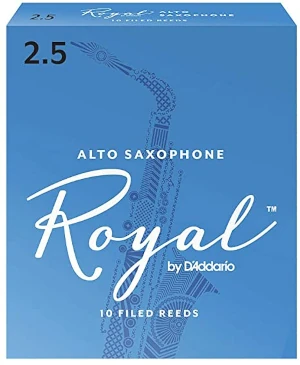
The main consideration for beginner players is consistency. When learning from scratch, it can be challenging to play with a consistent embouchure technique. With that in mind, its very important to have as consistent and stable a platform as possible in the mouthpiece construction. That's why I recommend the Rico Royal brand for either alto reeds or tenor reeds. They tend to be very consistent with their construction, solid and dependable, you will be able to use every reed in the box without too much variation between reed quality.
What Reed Strength Should I Use?
For more advanced players, this is a complex and important question, the answer to which is driven by the type of sound the player wants to produce. For beginners however, its a simple question. In choosing reed strength we want a reed that will be easy enough to blow without generating tension in the player, but not so soft that the reed closes us when blown. For Rico reeds, this translates to a strength 1.5 for children, or a 2 for adults and teenagers. Vandoren sax reeds have greater resistance, so i do not recommend these for beginners.
What are the Best Reeds for Jazz?
A very difficult question to answer! Before asking this question, ask yourself "what kind of sound do i want to make?" Listen to your favourite saxophone players and decide whether they are making a bright, or dark sound - use this context to inform your choice of reed and mouthpiece!
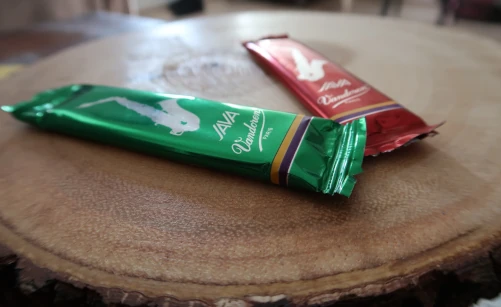
I really like Vandoren alto sax reeds for jazz, specifically the Vandoren Java Jazz brand. I've found they have a great potential for projection and a really versatile set of tone colours. There are two subcategories sold in green and red wrappers, the red potentially having a slightly darker sound.
These reeds provide a huge range of tone colours, but have the potential to be much more inconsistent in material composition. If you are fussy about how hard it is to play any given reed, or if you are near the start of your saxophone studies, you may end up having to throw away at least a few from every box of 10.
Where Can I Buy Reeds?
Use a Specialist Shop
It may be tempting to just buy from Amazon, but a shop like Reeds Direct, which is a dedicated vendor provides very fast delivery times and easy methods for re-ordering. They also have a HUGE selection of saxophone reeds, as well as the full range of woodwind reeds for other instruments and a complete selection of brands. So whether you are looking for reeds for tenor saxophone, or alto reeds check out Reeds Direct.
Click here to buy your sax reeds from Reeds Direct
How Do I Attach a Reed to the Mouthpiece?
A common question from beginners! Attatching the reed is a little tricky, and the exact alignment of the reed onto the mouthpiece is required to generate a stable platform for tone production. Fortunately we have a hand tutorial guide on how to attach the reed.
Click here to find our tutorial and demo video on how to assemble the saxophone mouthpiece
How do I Book Private Saxophone Lessons?
If you've got questions or want some bespoke advice on saxophone reeds, just visit our Saxophone Lessons Page to find out more, or click the link below if you're ready to get in touch and start taking private saxophone lessons!